
Technical guide
Closed-die forging advantages for valve components
A practical guide for buyers comparing forged valve bodies, bonnets and related parts: what closed-die forging can offer, where its limits are, and what to agree before ordering.
What is closed-die forging?
Closed-die, or impression-die, forging shapes metal between contoured tools. Heated billet is formed through the die sequence to produce a blank close to the required component geometry. Heat treatment and machining then follow the material specification and drawing.
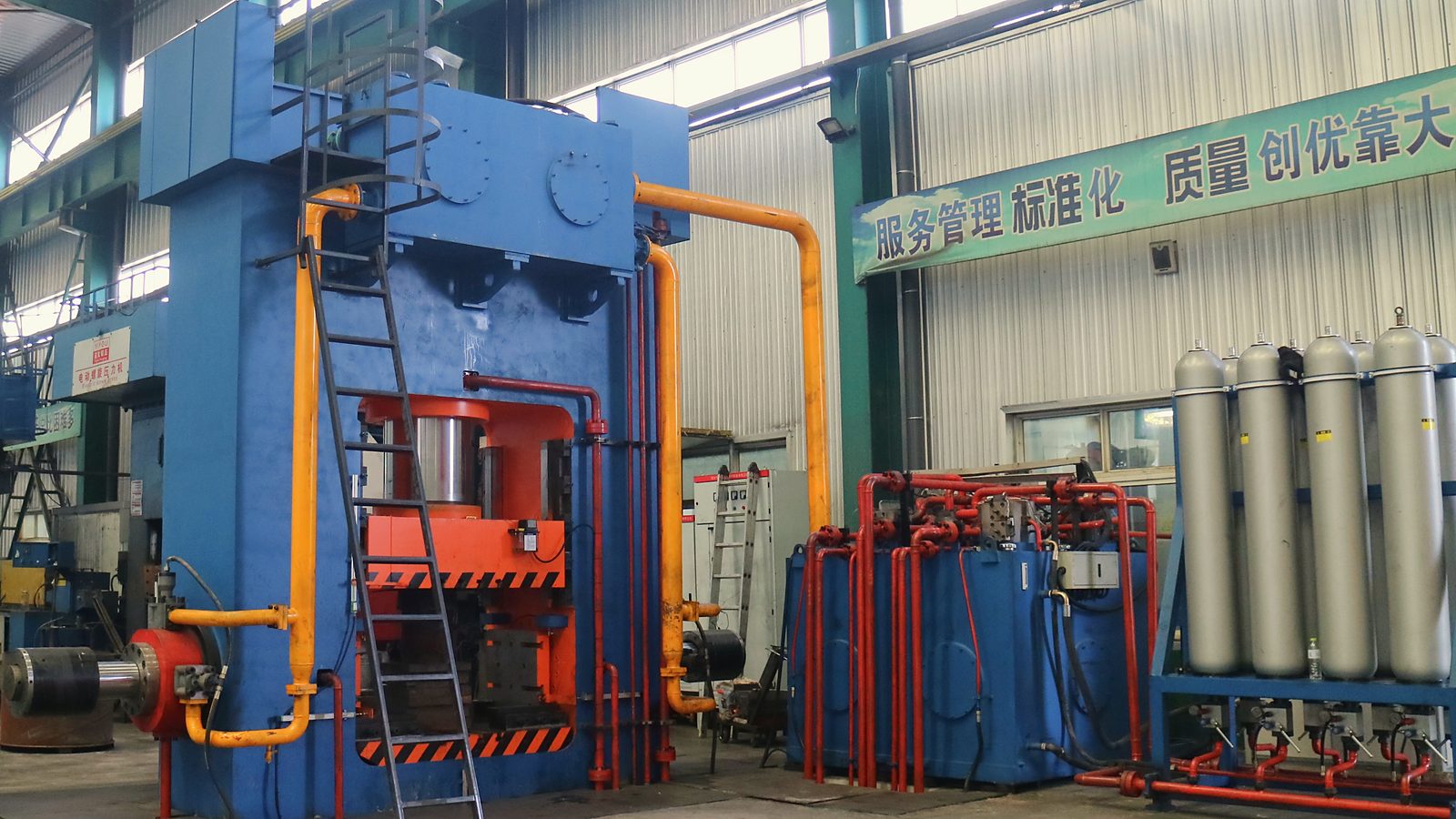
Advantages for forged valve bodies and parts
Grain flow planned around the component
Deformation can orient grain flow around the part geometry. The resulting properties depend on material, tool design, working conditions and heat treatment; forging alone does not establish a finished valve's performance.
Less stock to machine
A near-net-shape blank can reduce material removal compared with machining the same geometry from solid stock. The saving depends on the design and the agreed machining allowance.
A repeatable starting shape
Dedicated dies provide a repeatable geometry for series production. Forging tolerances and critical locating surfaces still need to be agreed and checked.
When is closed-die forging a suitable choice?
For a valve manufacturer, the decision starts with the component drawing and expected demand. Compare the total route: tooling, material, forming, heat treatment, machining and inspection.
- Repeat orders: assess the tooling investment across the quantities you expect to purchase.
- Geometry: review the body bore, stem boss, connection faces and any features that require subsequent machining.
- Supply condition: choose a forged blank, rough machined blank or finish machined part to suit your own production.
- Acceptance: agree the drawing revision, material specification and inspection documents before production.
There is no single break-even quantity or universal as-forged tolerance for all valve components. A very low-volume part or a geometry requiring extensive secondary operations needs its own process and cost review.
What to specify in a valve forging enquiry
- Send the 2D drawing and available 3D model, including the current revision.
- Identify the material grade, heat treatment and required supply condition.
- Mark critical dimensions and the stock required for your machining operations.
- State annual demand, the first batch quantity and your requested delivery date.
- List inspection, traceability and material-document requirements.
Ludon Forge's published programme includes one-piece ball valve body blanks in A105, F304 and F316, with related custom components reviewed to drawing. See the forged valve components and materials page for the current supply scope.
Frequently asked questions
Does a forging need inspection?
Yes. The agreed dimensions, material requirements and inspection scope remain part of acceptance. A one-piece body also needs the valve manufacturer's final design, machining, assembly and testing requirements to be satisfied.
What are the tooling cost, minimum order and lead time?
These are confirmed after drawing review. Ask for the tooling and component prices to be identified in the quotation, together with sample requirements and the production schedule.
Can Ludon Forge supply machined parts?
Our published supply options are forged blanks, rough machined blanks and finish machined parts to customer drawings. Include the required condition in your enquiry.
Related reading and documents
Multi-directional forging of ball valve bodies · Quality certification · 2026 capability catalogue (PDF)
For general process and design background, see the Forging Industry Association's Product Design Guide for Forging (PDF).